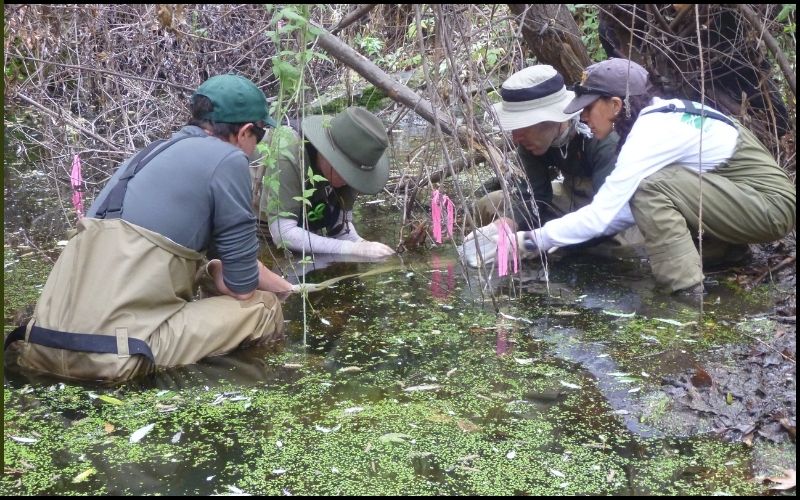
This two-day course is designed for individuals and/or organizations performing field sampling of environmental media including soil and other solids; surface and groundwater; sediment; indoor and ambient air; solid and hazardous waste; and chemicals of commerce for the analysis of a broad range of analytical methods as established by a variety of regulatory and standards organizations.
Day one will include a full-day in a classroom with lectures discussing sampling methodology and theory; techniques and procedures; health and safety concerns; documentation and deviations; handling and preservation; equipment and supplies; and field quality assurance procedures.
The second day will consist of a half-day of lecture in the classroom discussing issues associated with laboratory techniques and processes, analytical measurement, and data reporting of sample results. The classroom portion will incorporate demonstrations and examples on certain points. The topics discussed are intended to provide an overview of sampling techniques and practices, and details of specific issues will be explored as time permits.
The field portion of the course will take place in the afternoon at a nearby location, and is designed to provide hands-on, practical experience executing some of the concepts reviewed in the classroom lessons. Attendees will apply learned methodology in the field. Equipment and supplies will be provided.
Please dress weather/outdoor appropriate for the field portion of the course.
"I learned so much in this class. Good information and good pace." Sarah C., June 2017
This course is intended for anyone engaged in the gathering and preparation of field samples for analysis, or anyone who needs to understand more about correct sampling procedures.
Expectations for course completion include student ability to:
• Describe a general sampling approach and provide justification for the proposed methodology
• List general procedures for sampling depending on specific media and methods
• Describe health and safety issues associated with a given sampling approach and procedure
• Describe sample collection and packaging processes for specific media and methods
• Perform chain-of-custody documentation