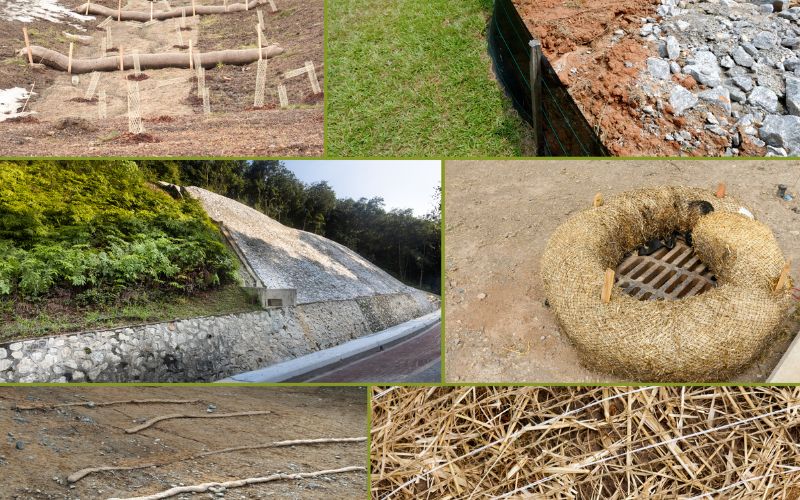
**Note - This course provides a 3-year Construction Stormwater Certification valid in both Washington (CESCL) and Oregon (1200C). You must finish this course within 6 months of your current CESCL/1200C expiration date, you must take the 2-day certification course again if you are beyond that timeframe.
This exciting course examines the most up-to-date techniques in the management of sediment and construction sites. Students who complete the course will receive a Certified Erosion and Sediment Control Lead (CESCL) card, good for three years. CESCL certification is required in the state of Washington by the Washington State Department of Ecology for personnel responsible for construction stormwater inspections and sampling at construction sites. Participants will also benefit from a dynamic interaction between traditional lectures and hands-on exercises. The course covers the essentials of being a certified lead and includes information on how new regulations will impact CESCL job functions. Upon completion, students will know how to simply and confidently comply with federal, state, and local regulatory requirements of stormwater management.
Note: This CESCL certification course is recognized as meeting the training and certification requirements of the General Permit, and BMP C160 Certified Erosion and Sediment Control Lead (CESCL) in Washington State Department of Ecology’s stormwater management manuals for Eastern and Western Washington. The Construction Stormwater General Permit requires that site inspections be conducted by a CESCL.
Contractors, agencies and municipalities, engineers, consultants and anyone who desires to renew a CECSL certification with the Washington State Department of Ecology.
Must have a CESCL certification. If your CESCL certification is beyond six months of the original expiration date you are required by Ecology to take two day certification course.
1. Erosion and Sedimentation Impacts
a. Examples and Case Studies
2. Erosion and Sedimentation Processes
a. Definitions
b. Types
c. Sedimentation
3. Factors Influencing Erosion Potential
a. Soil
b. Vegetation
c. Topography
d. Climate 4. Regulatory Requirements
a. NPDES - Construction Stormwater General Permit
b. Local requirements and permits
c. Other regulatory requirements
5. Stormwater Pollution Prevention Plan (SWPPP)
a. 13 Elements of a SWPPP; discuss suggested BMPs (with examples)
6. Monitoring/Reporting/Record keeping
a. Site inspections/visual monitoring
b. Water quality sampling/analysis
c. Monitoring frequency
d. Adaptive management